
Life After a Construction ESOP: 7 Lessons from Bill Duguay
Updated: Sep 20
BUILT TO OWN | PODCAST EDITION · EPISODE 01
Closing a construction ESOP transaction is the beginning of the work. Drawing on his experience leading J.D. Abrams through employee ownership, Bill Duguay explains what leaders need to prepare for: board governance, surety relationships, employee communication, safety, and succession.
This article is part of our complete guide to ESOPs for construction companies.
Key takeaways for construction leaders Build the board and choose the transaction team before the deal closes. Bring surety and bonding into the conversation early. Keep explaining employee ownership until it becomes meaningful in the field. Treat safety, operating discipline, and succession as ongoing leadership work.
These seven lessons come from my conversation with Bill Duguay on Episode 01 of the Construction ESOP Collective podcast. The full conversation is available at the end of this article.
Near the end of our conversation I asked Bill Duguay what the biggest misconception about construction ESOPs is. He answered before I finished the question. "That it'll run by itself," he said. "And it doesn't. It's a big lift."
Bill has earned that answer. He started out sweeping up and straightening bent nails on his father's side jobs, put himself through engineering school, took his first job with the Connecticut DOT, and worked his way up to President and CEO of J.D. Abrams, a large heavy civil contractor in Austin. He was there before J.D. Abrams became 100% employee-owned, through the transaction, and for years afterward. Today he is a Certified EOS Implementer and sits on boards of directors.
01: The ESOP transaction is the Super Bowl. Pick your team like it.
Abrams was a second generation family owned business. Multinationals started circling, looking to buy into the U.S. market. The family said no and converted to a 100% ESOP, an Employee Stock Ownership Plan, instead.
Bill's read on why they did it: it was "a testament in their belief in the people who helped them build the organization."
The mechanics were another story. Roughly a year and a half of behind the scenes work. Lawyers, a trustee, a third-party administrator, a valuation firm, tax planning on the sell side. Bill was candid that he was overwhelmed his first time through, and that it is still a complicated deal today with far more reps behind him. His advice for anyone starting down that road: "You're going to the Super Bowl of transactions. Really pick your team well, and it's okay to interview several to really get the team right."
Then he named a gap I had not heard framed quite this way. Every advisor at the table owns a piece of the deal. Nobody owns the seller's head.
Who, Bill asked, is the whisperer in the founder's ear helping them understand "that the seller technically doesn't own the company anymore, and what's that going to look like?"
The deal closes. Then somebody has to operationalize it.
02: Build the ESOP board of directors before the deal, not after it
I asked Bill how a newly transacted ESOP should think about choosing its board of directors. He pushed back on the question, which I appreciated.
"My suggestion would be, if you're thinking about a transaction, be thinking about your board."
His description of the typical pre-ESOP construction board will land for a lot of people reading this. Leaders of management. Maybe the banker. Maybe the lawyer. Maybe the golf buddy. Not formalized, not challenging the CEO, and there is a steak dinner at noon so let's wrap this thing up.
That kind of informal board is not built for the governance and fiduciary demands that come with an ESOP.
Bill's standard is simple: the board should reflect what the business and the leadership team need for their next chapter. A company grinding through debt service needs one set of skills. A maturing ESOP with free cash flow, warrants rolling off, and an appetite for acquisitions needs another. He talked about skill matrices and professionalizing how the board actually operates, and he has been building a board development program for exactly this.
03: Surety and bonding belong in the ESOP conversation early
A lot of my day is spent here. Heavy civil work is bonded work, so I asked whether he was part of the surety and bonding conversations. He was, and he was direct about it.
Start those conversations in lockstep with every other ESOP conversation. Then get to the language.
"Many times it comes down to one or two lines of who has primacy of debt service. Is it vendors, subcontractors, whoever the bond holder is, or is it the trust?"
Sureties pay close attention to where ESOP-related obligations sit relative to operating and bonded obligations. Bill noted that more sureties carry ESOP clients now and understand the risk profile better than they used to. The questions underneath never change: how leveraged is the ESOP, where is it in its maturity, and how are repurchase obligations being handled.
This is where I watch deals get disrupted. The ESOP is rarely the problem. Explaining it late is.
04: Communicating employee ownership: tell them seven times
Once the deal closes, the leadership team has to explain to several hundred people in the field that they now own the company. I asked Bill how that landed, and how long it took for the buy-in to show up.
The first reaction is excitement. Bill's words: it's bright and shiny, we're employee owners, it has to be good because we didn't have it before.
Then comes the hard part. Nothing changed in the paycheck. No statement yet. Bill's line for that stretch: "Before you get a statement, it's like funny money. I don't know what's in it for me."
His rule for closing that gap:
"Adult learners need to be told at least seven times before they hear it for the first time. And if you're a leader, by time two or three you're probably worn out telling people."
The turn comes when it gets real. Somebody leaves and gets a check for five or ten grand. Or an account that started at a hundred dollars is suddenly worth a thousand, and the math starts to hint at what twenty years could look like. Bill called that potentially transformative for people in the trades who show up, contribute, and help the company thrive.
I would add one thing. The companies that get there are the ones willing to do the unglamorous communication work long enough for ownership to become real.
05: Put construction safety on the leaderboard, not just the dashboard
I told Bill I think safety should be a top KPI for a construction firm, because if you get safety right, everything else tends to fall in line behind it.
He pushed further.
"They should be on the leaderboard. And why I say that: when it shows up on the leaderboard, it is who we are, what we do, and not just something we track."
He also drew a distinction worth sitting with. There is the finance side of the brain that thinks in experience modification rates and loss runs. There is the human side that asks whether people are getting home to their families. Lead with the finance side and you can dehumanize the effort. Apply an academic approach to safety and it struggles, because the problem was never academic. It is a human systems problem, which is why Bill is a fan of HOP, Human and Organizational Performance.
We also touched on captive insurance, where contractors pool and retain their own risk. Bill spent years inside ACIG, the American Contractors Insurance Group, and his line about it belongs in front of any contractor considering the move: "It truly gives you ownership of your results."
06: Why EOS lands with construction contractors
Bill left the field and became a Certified Implementer of EOS, the Entrepreneurial Operating System, and he explained why the framework clicks with builders.
Contractors already live inside systems. Clear and grub, staking, subgrade, road base. Every job gets sequenced.
We know how to sequence a job. We are not wired to sequence the business the same way.
His version of what EOS is for: make the business easier to run, make it a better experience for the people doing the work and for the client, and execute with predictability and repeatability in a way that grows enterprise value.
For an ESOP, that last piece is the whole ballgame. Enterprise value is not abstract. Over time it shows up in what employee-owners' shares are worth.
07: The real gift is succession, not the ESOP transaction
The line I keep coming back to came near the end, when Bill listed what a founder should evaluate before selling. Tax liability. Debt. Future income. Trusts that need funding. The why behind the whole thing. And then this: "Had they built a business that can run without them?"
Plenty of construction companies still run on the founder's judgment, knowledge, relationships, and presence. None of that transfers at closing.
Bill's point was that the real gift is not completing the ESOP transaction. It is leaving behind a business that can thrive after the founder steps away.
That is the work. It starts before the deal and it does not end at closing.
IT WON'T RUN BY ITSELF. NOTHING WORTH OWNING DOES.
Questions to take to your leadership team
My takeaway from this conversation is to bring four questions into the next leadership meeting:
Does our board have the skills our next stage requires?
When will our surety participate in transaction planning?
Who owns employee communication after closing?
What still depends entirely on the founder?
For those who have lived through a construction ESOP transition: what was harder after the deal closed than you expected? I would like to hear it. Email me at cmazzanti@constructionesopcollective.com, or reply to the Built to Own newsletter and tell me what nobody warned you about.
Frequently asked questions about life after a construction ESOP
When should a construction company build its board for an ESOP?
Before the transaction, not after it. An informal pre-ESOP board of managers, a banker, and a golf buddy is not built for the fiduciary and governance demands that come with an ESOP. Bill Duguay's standard is that the board should reflect what the business needs for its next chapter, whether that is grinding through debt service or managing free cash flow and acquisitions as the plan matures.
How do sureties look at a construction ESOP?
Sureties focus on where ESOP-related obligations sit relative to bonded and operating obligations, often coming down to a line or two about who has primacy on debt service. The underlying questions are how leveraged the ESOP is, how mature it is, and how repurchase obligations are being handled. More sureties carry ESOP clients today and understand the risk profile, but the surety and bonding conversation should start in lockstep with every other ESOP conversation, not after the deal is structured.
How long does employee buy-in take after an ESOP transaction?
Longer than leaders expect. The first reaction is excitement, followed by a flat stretch where nothing changes in the paycheck and no account statement has arrived yet. Bill's rule is that people need to hear the message at least seven times before it registers. Buy-in usually turns real when the numbers do: a departing coworker gets a check, or an account balance grows enough that the long-term math starts to show.
Next episode: Bob Whalen of HB Global on the Construction ESOP Collective podcast.
About the guest
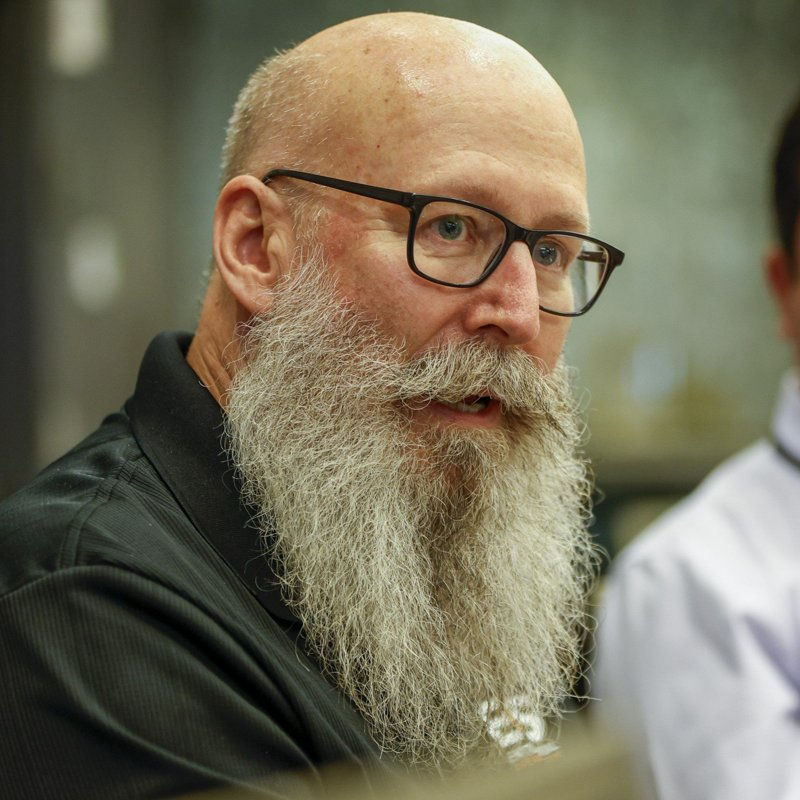
Bill Duguay is a Certified EOS Implementer and the former President and CEO of J.D. Abrams. He serves on boards and is launching a board development program for ESOP and non-ESOP companies. Connect with him on LinkedIn or learn about his EOS work at EOS Worldwide.
About the host
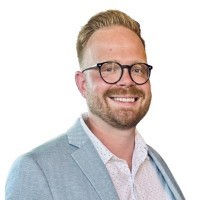
Chuck Mazzanti is Senior Vice President at Christensen Group Insurance and the founder of the Construction ESOP Collective, where he works with employee-owned contractors on surety, insurance, and risk. Have a question about how any of this applies to your company? Connect on LinkedIn, email cmazzanti@constructionesopcollective.com, or subscribe to the Built to Own newsletter.
HEAR THE FULL CONVERSATION
EPISODE 01 · CONSTRUCTION ESOP COLLECTIVE · HOSTED BY CHUCK MAZZANTI
The episode runs about 54 minutes. If you want one topic, surety and bonding starts at 10:17, picking the transaction team at 12:43, telling the field they own the company at 15:41, building the board at 24:41, safety at 31:56, EOS at 40:15, and the real gift at 48:28.
Comments